Introduction
People often find it difficult to meditate and remain confused how to start with it. Many people want to practice meditation daily but consider it to be complex, time-consuming and tough to concentrate. As many of them believe that it can be practiced only in calm and peaceful environment with a cool and composed mind.
But as the matter of fact, meditation is much simpler than most people assume it to be. It is a simple practice that motivates you to focus on the present moment, slow down, and achieve a sense of calm amidst the chaos of daily life. You do not require any special skills, expensive equipment, or hours of free time. All you require is a readiness to pause, breathe and to be present in the moment.
Significance of Meditation in Everyday life
We all live in a world full of noise, chaos, unnecessary obstacles and unavoidable circumstances. All these things often deeply affect our mental peace, clutter our mind and create mental blockages.
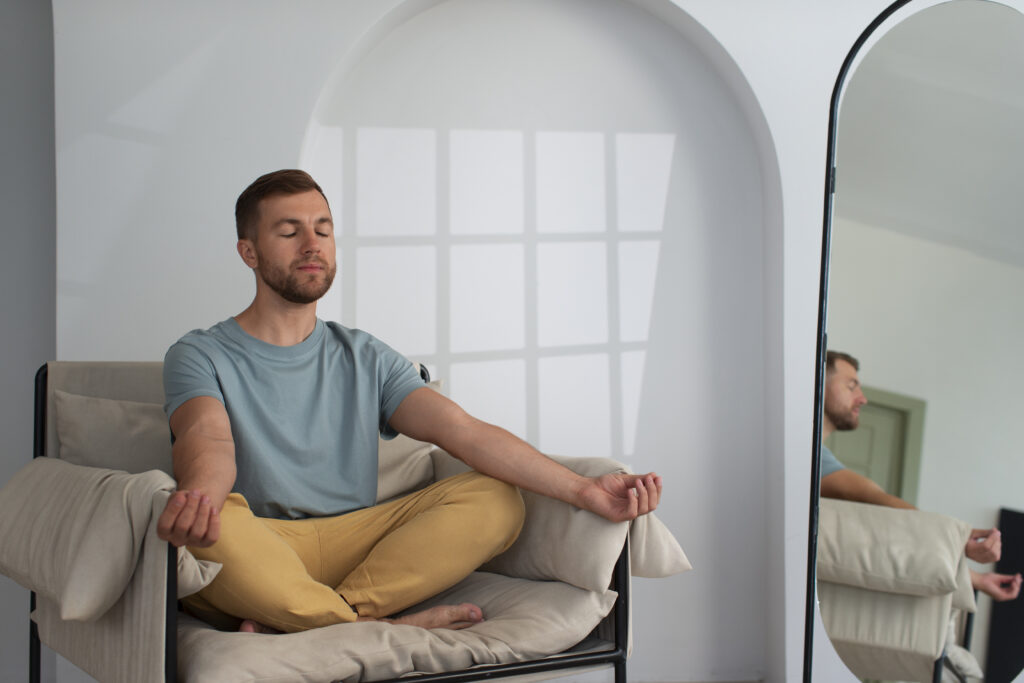
In order to get relief from these stressful and chaotic circumstances, people can resort to the path of meditation. Meditating daily not only helps in reducing stress level but also improves focus, nurtures emotional well being and provides inner peace. So, if you practice meditation even for few minutes daily, it can have a very positive impact on your mental and emotional well being.
If you are a beginner to the world of meditation, then these 10 easy tips will help you to start practicing meditation that naturally becomes part of your daily life.
1. Choose a Comfortable corner in your home
You don’t need to go to a meditation centre or require any dedicated meditation room. Any quiet corner in your home, a comfortable mat, chair or even a peaceful nook in your garden or balcony can be the perfect place to meditate.
The idea is to choose a place where you are not likely to be interrupted and where you feel relaxed.
2. Start small and keep it simple
Beginners should not try to meditate for too long. You should begin with just 2 to 5 minutes a day. Keeping the sessions short are easy to maintain and help you build a consistent daily ritual.
3. Focus on Your Breathing
Focusing on your breath should be the simplest meditation anchor. You should close your eyes and pay attention to each breath, slowly inhale and exhale. Try to notice how the air feels as it enters and leaves your body.
If your mind gets distracted, simply return your focus to your breath.
4. Welcome all types of Thoughts
Many beginners commonly believe that meditation means having no thoughts at all. But in reality, many thoughts will come and go naturally in your mind while you sit to meditate. Those thoughts could be bad or good, pleasant or unpleasant. You should welcome all your thoughts whether negative or positive with a smile.
As meditation is not about stopping thoughts—it’s about acknowledging them without getting carried away by them.
5. Choose a Comfortable Sitting Position
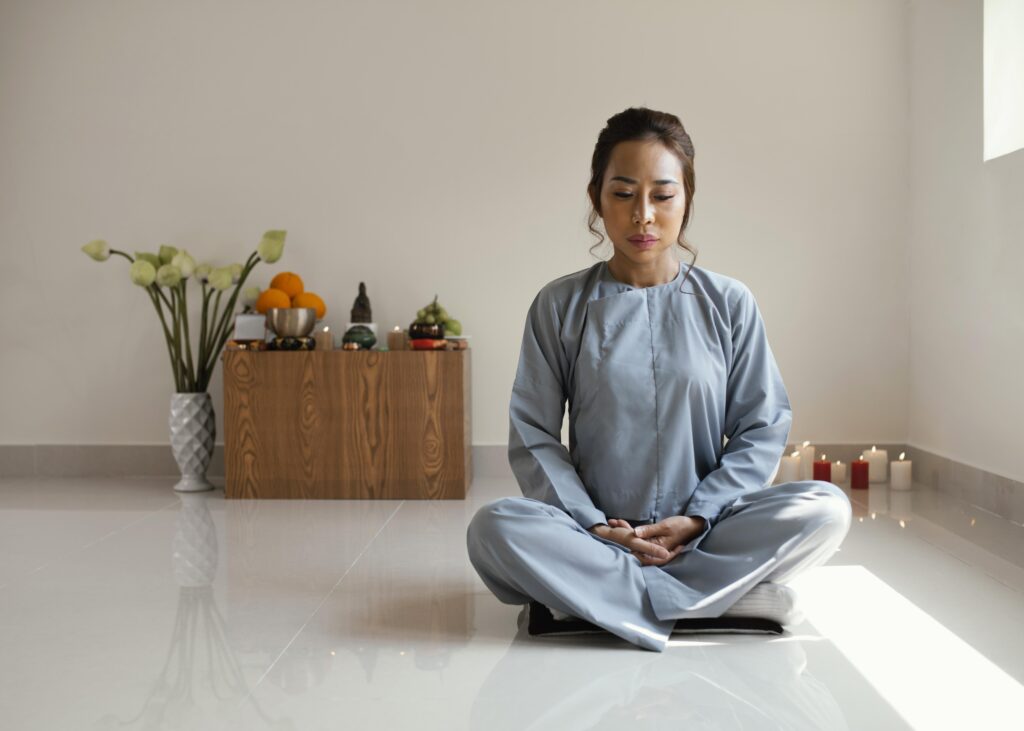
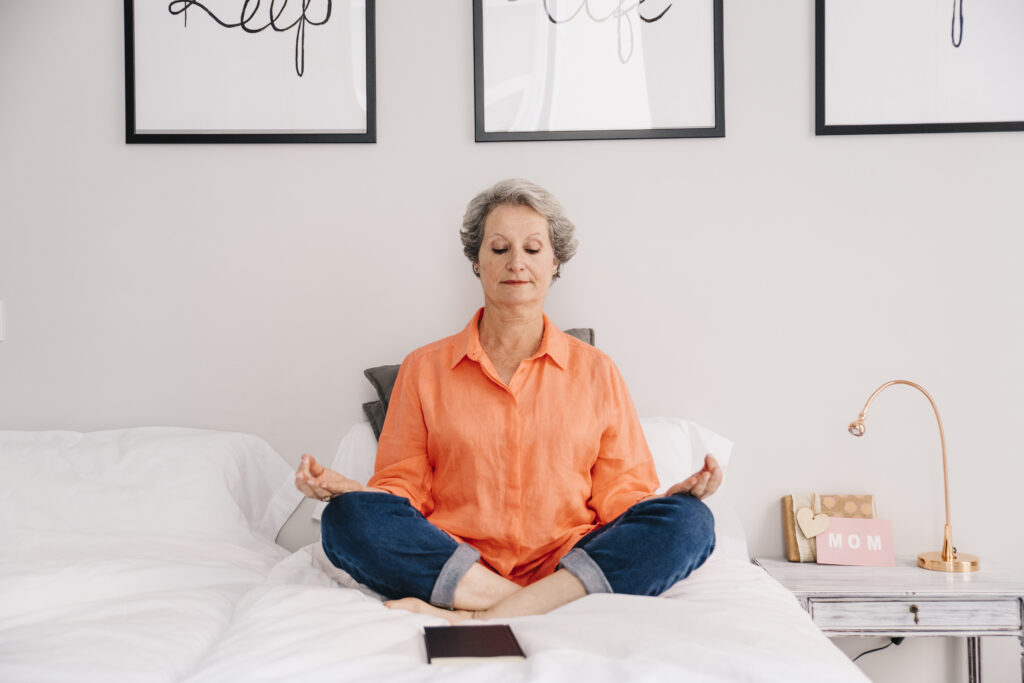
You don’t have to practice meditation in its traditional way, which is to sit cross-legged on the floor unless that’s comfortable for you. You can always choose a comfortable sitting position depending upon your health conditions. You can sit on a chair, or on a cushion, kneel comfortably, or even lie down for certain meditation practices
Your goal should be to stay relaxed yet alert.
6. Use Guided Meditations
Guided meditations are the most popular method of practicing meditation among the beginners. An instructor, a teacher or recorded voice gently guides you through the whole process, helping you stay focused and relaxed.
So, many beginners prefer guided sessions over meditating alone as they find these sessions easy to follow in their busy schedule.
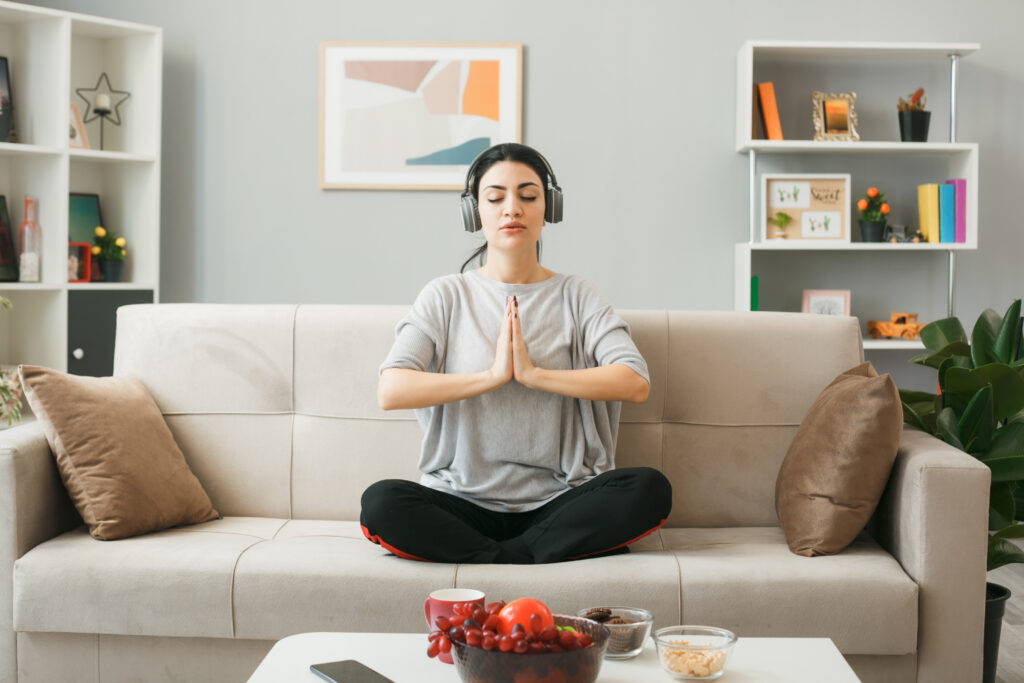
7. Maintain a Daily Routine
Being Consistent is the most important thing while practicing any routine. So, beginners should try to meditate at the same time each day, such as: after waking up, during a lunch break or before going to bed
Maintaining a regular routine helps turn meditation into a healthy habit.
8. Be Gentle and Patient with Yourself
Not every day is same. On a particular day you feel calm, focused and the other day your mind may seem unusually busy with some important work and you are simply not able to focus. Both the situations are completely normal. Beginners face many challenges while practicing meditation, but they should be gentle and patient with themselves, as meditation is a skill learnt through regular practice over a considerable period of time.
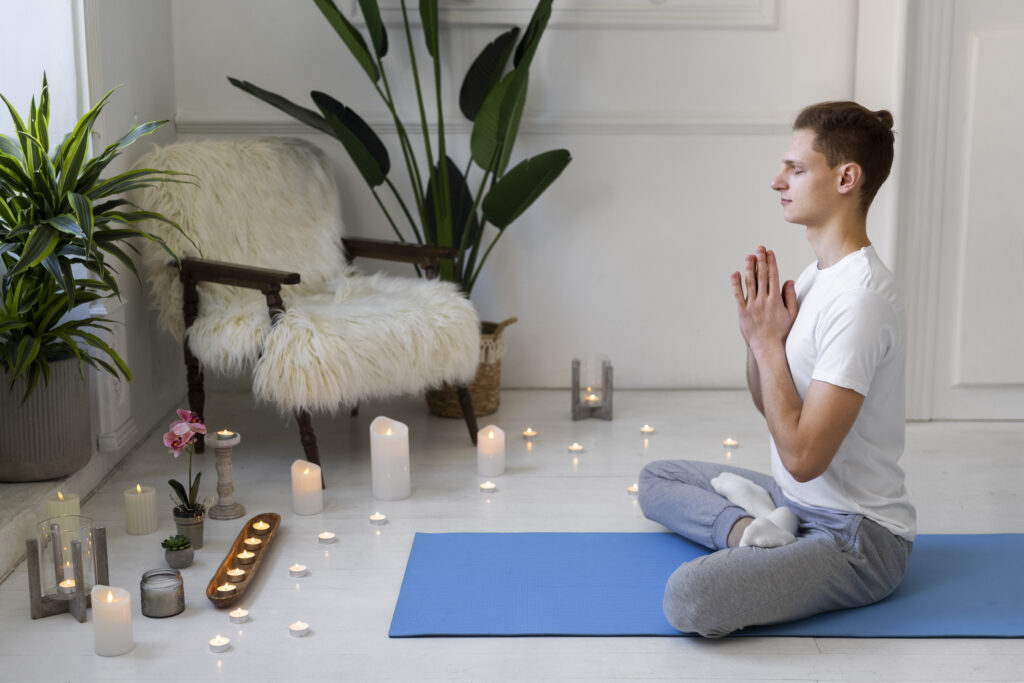
9. Be Present and Practice Mindfulness in Daily Activities
Meditation doesn’t always mean sitting at one position, focusing on your breath and acknowledging your thoughts. You can practice meditation by being present and mindful in your daily activities such as: walking, eating, washing dishes or drinking tea. Simply pay full attention to what you’re doing in the present moment.
These small moments of awareness can be surprisingly powerful.
10. Celebrate Small Wins
Beginner should focus on regularity of their meditation ritual, as every meditation session counts. Whether you meditated for two minutes or twenty, acknowledge your effort. As building a new habit takes time, and every step forward should be celebrated as progress.
Mindful Thoughts
By inculcating the daily habit of meditating for few minutes, you can feel the magic it does to your mental peace and emotional well being. To reap the maximum benefits in the long term, beginners should keep this practice as simple as possible and follow the simple rule of taking small steps at their own pace and convenience. Be patient and kind to yourself and remember these moments of mindful meditation will bring peace, harmony and balance in your day-to-day life.
Call to Action
If you find these tips helpful, start practicing meditation in the comfort of your home. Do share this blog with someone who may get benefitted by these simple and easy meditation tips to find peace, harmony and balance in everyday life.
Frequently Asked Questions (FAQs)
1. How long should a beginner start to meditate?
Beginners should start to meditate with 2–5 minutes daily.
2. What is the easiest method to meditate for beginners?
The easiest method to meditate for beginners is the Guided meditation.
3. Can meditation be practiced in lying down position?
Yes, lying down can be comfortable for relaxation-focused meditation.
4. When do I get to notice positive results?
Some people start getting positive results immediately and feel calm and experience peace after practicing few meditation sessions. However, the long-term benefits can be obtained with regular practice over several such sessions.
5. Is it fine if my mind keeps wandering while meditating?
Yes, it is absolutely fine. It is normal to have a wandering mind during meditation sessions. You should welcome all thoughts and learn not to get carried away by them and try to bring back your focus on the on going meditation session.